
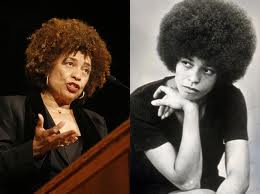
 This post is primarily aimed at those who’ve gone natural or dreaded their hair. What kinds of responses did (or do) to get from others? Have you noticed a difference? I’ve heard the comments. My nephew was discouraged or at most “tolerated” for wanting to dread his hair. Fortunately he had a mother who wore dreads and she supported his desire to wear his hear however he wanted it. But, what’s up with those that discouraged him? Most said that it was because they wanted to protect him from the racism he would experience. I don’t doubt that that is a valid premise, but how much do we need to give up to be accepted? And if we are only accepted by changing ourselves, are we really being accepted? Most cultures can get up, get in the shower, wash and shake their hair, and go.
Who Needs to Accept, Us or Them?
I know that twenty and thirty years ago I straightened my hair to fit in. That’s what the women around me did and so did I. A funny thing happened though a couple of years ago, I cut my hair for a photo shoot and decided to not relax it anymore. After the relaxed hair grew out and was cut off, I found my own natural texture and I “loved it.” Now I can blow dry it straight when I want a different look and wear natural when I want to. To think I was putting those toxic chemicals on my scalp for years and didn’t even need to. And, as I got older, I was adding dye too when I could have used a natural henna. I had done it so long that I didn’t realize the world had changed but I hadn’t, for people that were not of African American heritage actually liked my hair and commented more positively than “my own peeps.”
Resources for Going Natural
I also remember feeling very weird and out of place at an African American event at Howard University when most people were natural and at the time my hair was relaxed. One of the presenters actually made a comment about us people with “fried hair.” Fortunately, now we have more support if we wish to go natural, from sites like Naturally Curly, Carol’s Daughter, Curly Nikki , and Uncle Funky’s Daughter. I know in the past I relaxed my hair and my daughters’ hair because it was easier to maintain. We probably were also subconsciously programmed to think that we “looked better too”. Now we’ve got resources to help with the transition if we choose that route. But, the goal is to love yourself and feel free enough to choose your way of expressing yourself without judgement. Well that’s our food for thought for today.
I’m Barbara Talley, the poet who speaks and inspires. To find out more about me check out: What Does Barbara Do? or visit my website.

 Welcome to Barbara’s Site
