I Lead: I Serve

I attended the Congressional Black Caucus (CBC) last month and am still processing the overwhelmingly high number of  distressing statistics and information that was presented.  From unprecedented unemployment and foreclosures, unequal application of justice, distorted and stereotypical images that lead to esteem issues, the critical importance of astuteness with technology, the politics of fear, the importance of entrepreneurship for wealth creation, to the guiding and protecting our young folks, the challenges facing people of color far exceed those of white America.

The theme of the CBC was I Lead: I Serve.  True service is in finding a need and filling it.  The topics presented at the CBC offered many paths of service for anyone who wants to make a difference.  Most people have grandiose dreams of being successful and great, but real success comes from being a leader.  And, if you want to be a leader, the path is through service, just find a need and fill it. Too much of present day propaganda pushes us toward looking out for self only.  But true fulfillment comes from meaningful pursuits, and those usually  involve serving others.  As the late Dr. Martin Luther King Jr. once said, ” Anybody can be great because everybody can serve.”  Although all the topics are worthy of discussion now, it is the sobering plight of our youth that haunts me the most.  If you think the adults have it bad, check out my next post about the children whose future is even more dismal if we don’t do something now!

I’m Barbara Talley, the poet who speaks and inspires.  To find out more about me check out: What Does Barbara Do? or visit  my website.

And Justice for All

We are a nation of laws and yet those laws and noble sentiments do not guarantee that everyone is given the same equal opportunities,  protection, or  justice under the law.  I once heard that we should not judge a country by how many wealthy people it has, but by how many poor it has.  On that same note, we should not judge a country by how many freedoms they have on the books, but instead by how many people are still not allowed to enjoy those basic freedoms. We should not judge a country by how many Nobel Laureates or Rhodes Scholars they have but by how many children they allow to go uneducated, unemployed, exploited, abused, or incarcerated because of the lack of education, protection,  and nurturing.  Continue to part 2.

I’m Barbara Talley, the poet who speaks and inspires.  To find out more about me check out: What Does Barbara Do? or visit  my website.

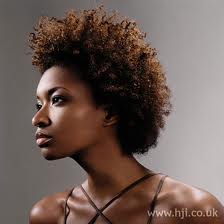
What Does Your Hair Say About You?

What does your hair mean to you? Does it represent beauty, culture, image, or identity.  Is it your crown or crowning glory? 

This past week while speaking at a Domestic Violence Luncheon, a lady the table and I got into a discussion about black hair.  She said she dissuaded her son from wearing braids because of the prejudice that he would receive.  She said she also didn’t wear her hair natural in 2011 for fear of discrimination.

Last May I spoke to an audience in Florida at an event organized by 100 Concerned Black Women and the topic of hair came up.  My co-presenter Iris Cooper had cut off her hair and a lady in the audience who self reportedly had worn wigs most of her life challenged why she did it.  The next day the older lady came to a followup session dawning her own hair.  She recounted how freeing it was.  She somehow had felt she needed validation, permission, and acceptance to free herself.  She explained how all her life she was called ugly because of her short hair.  And, now there is another trend, cutting off our hair that we’ve taken so long to grow and  letting go of what “long hair” means.  How do you feel about cutting your hair off?   It appears that we’ve still got a lot of work to do before we get to the point that we realize that we don’t all have to look the same and can see our own naturalness as beautiful.  Please comment and share “your hair story.”

I’m Barbara Talley, the poet who speaks and inspires.  To find out more about me check out: What Does Barbara Do? or visit  my website.
A Beautiful Example of Unity in Diversity

This whole conversation on hair began at a dinner when my niece’s fiancee shared how he preferred her natural hair over the relaxed version.  The both of them are a beautiful example of unity in diversity.  It’s so beautiful when someone sees your true beauty and encourages you to be yourself.  I don’t know about you, but if two young lawyers from Georgetown have managed to overcome cultural barriers to instead see the love within another, are respecting each others diversity, giving their wedding gifts to charity, and using their talents for the betterment of humanity, then I say our future is bright.

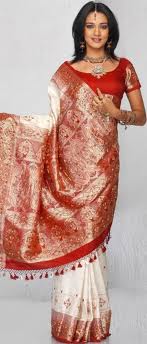
My future nephew already calls me “Aunt Barbara” and my sister “Mom”.  He shared how he intended to teach their future children about their culture and my niece commented that he knew even more than she did about African-American history.  My niece is a beaming bright light in her own right, kind, generous, outgoing, and radiant with a mature and balanced sense of self.  She and her fiance are in the midst of planning for their September wedding which will have two ceremonies to honor both of their backgrounds.  They shared the Hindi wedding tradition of the couple “giving gifts” to the aunts and asked if I would like a saree or sari.   Of course I said, “Yes!”  I am so excited about the merging of our families and the merging of our cultures.

Unity in Diversity

Some things changed while others stay the same.  For example in marrying my niece he had to break from the Indian tradition of “arranged marriages,” but will keep the tradition of the grandparents playing a big role in the rearing of the children.  In fact his parents shared how they were willing to move wherever the couple settles to be there to take care of the grandchildren.  And, they are not doing it out of a sense of duty and tradition, but one of love, service, and family unity.  Now that’s a lesson in diversity that I hope catches on!

I’m Barbara Talley, the poet who speaks and inspires.  To find out more about me check out: What Does Barbara Do? or visit  my website.
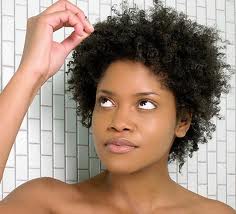
A Candid Talk About Our Hair, Identity, and Respect

Years ago while doing a Diversity training, one of the participants remarked, “If you’d worn that yesterday, I wouldn’t have heard a word you said.” This comment was in response to a simple African hat I was wearing.  I know if I’d actually worn my hair naturally I would have had a greater challenge doing my Diversity work.  I love my hair because black hair is the most versatile hair in the world.  You can braid it, twist it, blow it out, straighten it, curl it, and even dread it.  But we haven’t always had the best products available if we want to keep it natural.   And so, we’ve been dreading how to handle our hair long before Chris Rock’s movie about “Good Hair.”

What does hair mean in this society?  What is considered “good hair” and beautiful, long or short, blond or dark, or straight or curly.  Culturally and historically, what messages have been subconsciously ingrained in us that drive our current views and choices?  Personally I feel badly knowing what I know now about the dangerous chemicals that were in the relaxers that I put onto my daughters’ heads when they were younger. I’ve since learned that the products marketed for young black girls was some of the worst on the market, even if they touted words like “organic.”  To my defense,  I did so under duress and pressure as my husband heard their painful cries as I tried to comb through their thick hair.  They’d be screaming at the top of their lungs, “You’re hurting me,” with tears streaming down their little faces.  It wasn’t a pretty site and it was a horrible experience for them.  Sure it looked good after I finished, but the pain wasn’t worth the gain.  I gave in and I have to admit, it made life easier.  I straightened their hair so that I would not cause them that much pain and to make life easier for me. I am so happy that there are now so many products out there to help us manage our hair. Now, they are used to long straight hair because that’s what they’ve grown up with and who wants to fight their hair every day?

  1. Do you wear your hair natural?
  2. Do you love your natural hair?  Why or Why Not?
  3. Are you treated differently or feel differently if you wear your hair natural?
  4. Who do you get the most positive feedback from?
  5. What about the worse feedback, who does it come from?
  6. How do you feel about natural hair?
  7. What about dreads, how do you feel about them on yourself or others?
  8. What about black people dye their hair blond?
  9. What about other cultures getting dreads?
  10. Tell me what you think about hair?

This concludes our series on hair.  I think it’s great that our hair is so versatile that we can choose a style that fits our desired image.  I can twist mine one day, wear an Afro the next, and have it straight on the third day if I want.  The important thing is to choose what makes you feel the best and not to please others or to “fit in” as many in my generation tried to do.

I’m Barbara Talley, the poet who speaks and inspires.  To find out more about me check out: What Does Barbara Do? or visit  my website.