A Candid Talk About Our Hair, Identity, and Respect

Years ago while doing a Diversity training, one of the participants remarked, “If you’d worn that yesterday, I wouldn’t have heard a word you said.” This comment was in response to a simple African hat I was wearing.  I know if I’d actually worn my hair naturally I would have had a greater challenge doing my Diversity work.  I love my hair because black hair is the most versatile hair in the world.  You can braid it, twist it, blow it out, straighten it, curl it, and even dread it.  But we haven’t always had the best products available if we want to keep it natural.   And so, we’ve been dreading how to handle our hair long before Chris Rock’s movie about “Good Hair.”

What does hair mean in this society?  What is considered “good hair” and beautiful, long or short, blond or dark, or straight or curly.  Culturally and historically, what messages have been subconsciously ingrained in us that drive our current views and choices?  Personally I feel badly knowing what I know now about the dangerous chemicals that were in the relaxers that I put onto my daughters’ heads when they were younger. I’ve since learned that the products marketed for young black girls was some of the worst on the market, even if they touted words like “organic.”  To my defense,  I did so under duress and pressure as my husband heard their painful cries as I tried to comb through their thick hair.  They’d be screaming at the top of their lungs, “You’re hurting me,” with tears streaming down their little faces.  It wasn’t a pretty site and it was a horrible experience for them.  Sure it looked good after I finished, but the pain wasn’t worth the gain.  I gave in and I have to admit, it made life easier.  I straightened their hair so that I would not cause them that much pain and to make life easier for me. I am so happy that there are now so many products out there to help us manage our hair. Now, they are used to long straight hair because that’s what they’ve grown up with and who wants to fight their hair every day?

  1. Do you wear your hair natural?
  2. Do you love your natural hair?  Why or Why Not?
  3. Are you treated differently or feel differently if you wear your hair natural?
  4. Who do you get the most positive feedback from?
  5. What about the worse feedback, who does it come from?
  6. How do you feel about natural hair?
  7. What about dreads, how do you feel about them on yourself or others?
  8. What about black people dye their hair blond?
  9. What about other cultures getting dreads?
  10. Tell me what you think about hair?

This concludes our series on hair.  I think it’s great that our hair is so versatile that we can choose a style that fits our desired image.  I can twist mine one day, wear an Afro the next, and have it straight on the third day if I want.  The important thing is to choose what makes you feel the best and not to please others or to “fit in” as many in my generation tried to do.

I’m Barbara Talley, the poet who speaks and inspires.  To find out more about me check out: What Does Barbara Do? or visit  my website.

What Message Does Hair Communicate?

Hair

Hair

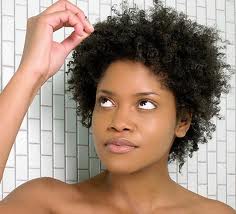
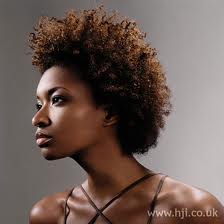
There’s so much talk about loving what God gave us when it comes to hair and then there is reality. I just Googled ‘hair’ and clicked on images, and browsed through 150 pictures before seeing a picture of a model with natural black hair on page 6. Rihanna was on page three with straightened hair. Finally on page 8 there were several, I paused to reflect on the imagery of the photos and the placement.  How many people click through 8 pages of searches?  The image to the left, is ” no comment.”  The image to the right which was next to it shows someone looking annoyed at her hair.  What message is this sending.  I think she looks beautiful.

Weaving and Dreading

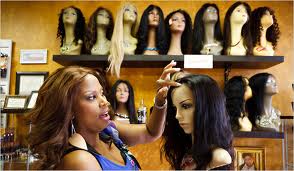
I know, “Beauty is in the eyes of the beholder.  But media influences perceptions.  Also on the page was a picture of a black woman selling weave hair with a caption that really reinforced the negative media perceptions of black folks. You’ll have to search for it yourself.  Type in “hair’ and go to page eight and while you’re at it, type in “dreads” and tell me what you think of the images portrayed.  I have my own opinion, but I’d love to hear yours.

I’m Barbara Talley, the poet who speaks and inspires.  To find out more about me check out: What Does Barbara Do? or visit  my website.

Love Your Natural + Resources for “Going Natural”

This post is primarily aimed at those who’ve gone natural or dreaded their hair.  What kinds of responses did (or do) to get from others?  Have you noticed a difference?  I’ve heard the comments.  My nephew was discouraged or at most “tolerated” for wanting to dread his hair.  Fortunately he had a mother who wore dreads and she supported his desire to wear his hear however he wanted it.  But, what’s up with those that discouraged him? Most said that it was because they wanted to protect him from the racism he would experience.  I don’t doubt that that is a valid premise, but how much do we need to give up to be accepted?  And if we are only accepted by changing ourselves, are we really being accepted?   Most cultures can get up, get in the shower, wash and shake their hair, and go.

Who Needs to Accept, Us or Them?

I know that twenty and thirty years ago I straightened my hair to fit in.  That’s what the women around me did and so did I.  A funny thing happened though a couple of years ago, I cut my hair for a photo shoot and decided to not relax it anymore.  After the relaxed hair grew out and was cut off, I found my own natural texture and I “loved it.”  Now I can blow dry it straight when I want a different look and wear natural when I want to. To think I was putting those toxic chemicals on my scalp for years and didn’t even need to.  And, as I got older, I was adding dye too when I could have used a natural henna.  I had done it so long that I didn’t realize the world had changed but I hadn’t, for people that were not of African American heritage actually liked my hair and commented more positively than “my own peeps.”

Resources for Going Natural

I also remember feeling very weird and out of place at an African American event at Howard University when most people were natural and at the time my hair was relaxed.  One of the presenters actually made a comment about us people with “fried hair.”  Fortunately, now we have more support if we wish to go natural, from sites like Naturally Curly, Carol’s Daughter, Curly Nikki , and Uncle Funky’s Daughter. I know in the past I relaxed my hair and my daughters’ hair because it was easier to maintain.  We probably were also subconsciously programmed to think that we “looked better too”.  Now we’ve got resources to help with the transition if we choose that route.  But, the goal is to love yourself and feel free enough to choose your way of expressing yourself without judgement.  Well that’s our food for thought for today.

I’m Barbara Talley, the poet who speaks and inspires.  To find out more about me check out: What Does Barbara Do? or visit  my website.
Race and Hair: Do You Wear Your Hair Natural?

Appreciating Our Natural Hair

I am so happy to soon be witnessing a beautiful example of unity in diversity as demonstrated in my niece’s upcoming nuptials.   I was heartened by the unique respect for diversity that she and her fiance both live and breathe.  He is Indian and Hindu; she is Christian and African-American.  Yes, this is the same couple that is donating their wedding gifts to charity.  So it’s not their diversity alone that make them special, but their character.  I sat in awe at a recent dinner as my niece’s fiance expressed his knowledge of the plight of African American’s in history, his love for the natural texture of my niece’s hair, and his love and respect for both my niece and sister.

He was the one she explained that encouraged her to “go back natural.” She commented that while “going natural” that she had more challenges with people from within our own culture than from the outside.

What Does Hair Mean to You?

Last month I spoke to an audience in Florida at an event organized by 100 Concerned Black Women and the topic of hair came up.  My co-presenter Iris Cooper had cut off her hair and a lady in the audience who self reportedly had worn wigs most of her life challenged why she did it.  The next day the older lady came to a followup session dawning her own hair.  She recounted how freeing it was.  She somehow had felt she needed validation, permission, and acceptance to free herself.  She explained how all her life she was called ugly because of her short hair.  And, now there is another trend, cutting off our hair that we’ve taken so long to grow and  letting go of what “long hair” means.  How do you feel about cutting your hair off?   It appears that we’ve still got a lot of work to do before we get to the point that we realize that we don’t all have to look the same and can see our own naturalness as beautiful.  What does your hair mean to you? Does it represent beauty, culture, image, or identity.  Is it your crown or crowning glory?  Please comment and share “your hair story.”

I’m Barbara Talley, the poet who speaks and inspires.  To find out more about me check out: What Does Barbara Do? or visit  my website.

Race and Marriage: The Final Frontier

Baha’ullah writes, ” Glory not that you love your country, but that you love your kind for the earth is one country and mankind its citizens.” 

So many people now of late are speaking of assimilation (melting pot) as the only way to live together in harmony.  Instead of welcoming diversity and learning about it, far too many fear what is different and seek to subjugate or annihilate that which they refuse to try to understand.  The same sun warms us all.  The same light gives us vision. The same red blood runs through our veins.  We truly are one people living on one planet and our strength is in our vision of seeing and acknowledging our unity and our diversity.  That will probably happen when we finally learn that there is only one human race and allow it to play out in our language, conversations, and beliefs.

We Must Create a New Language of Oneness

We’ve got to get rid of terms like “race” , “inter-racial” and “mixed” and create a new language of oneness.  Science has already proved that we are one human race and the “divisive terms of races as we live them now” are not real.  Many people profess to believe in equality and oneness, until it comes to marriage.  Perhaps marriage is the final frontier to traverse to prove to the skeptics, doubters, and racists, that in reality we are all the same specie. What do you think?  How do you view marriages between people of different ethnicities?  Would you marry someone of a different ethnicity, color, or religion than you?  What about if it were your children?  Since there is ONLY ONE HUMAN race, how do you feel about getting rid of man-made, divisive, and erroneous terms?  And what are your suggestions for bringing about the oneness and conciliation that our world is literally dying for lack of?

I’m Barbara Talley, the poet who speaks and inspires.  To find out more about me check out: What Does Barbara Do? or visit  my website.