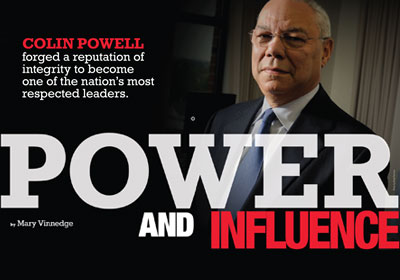
Allegations of Race over Record

“Collin Powell Endorses Obama,” the headlines read a few days ago.  The media pounced on it and many were shocked and very critical of Powell.  But why? Was it because this well-known Republican was endorsing a Democrat.  Unfortunately, “No!” The criticism wasn’t so much party switching as about race.  Then Lee Iacocca, a well-known Democrat Governor endorses the Republican candidate Romney.  But, the difference was, he was not accused of voting “race over record.”  Check out a few of these links

http://www.thedailybeast.com/articles/2012/10/29/why-colin-powell-endorsed-president-obama.html

http://www.reuters.com/article/2012/10/25/usa-campaign-powell-idUSL1E8LP31320121025

http://www.thedailybeast.com/articles/2012/10/29/colin-powell-can-support-obama-because-he-s-black.html

http://www.humanevents.com/2012/10/19/lee-iacocca-endorses-romney-for-president/

http://patriotupdate.com/31253/lifetime-democrat-lee-iacocca-endorses-romney

Notice the absence of any allegations of race in the coverage of Iacocca!  I wanted to remain silent but just couldn’t. I  couldn’t remain silent after so many commentators were saying Colin Powell switched, “because he is BLACK!” and that his endorsement was “race over record.”  Another reason I bring this up is because a black friend who is a Romney supporter said adamantly to me just last week, “I’m NOT voting for Obama just because he is black!” His other reason was because the Democratic Party was originally the party of the KKK.  To me, that excuse is like not living in a town because certain individuals USED TO live there.

In several conversations, I’ve found that too many blacks feel that they have to justify voting for a man who happens to be black or for that matter, against a black man.  It doesn’t seem to matter if you bring up ten reasons for voting for your candidate of choice, still the belief is that you are not a conscientious voter familiar with the issues and that you’re only voting color.

Now I’m wondering, “Whites vote for white people all the time and it’s not assumed they are voting JUST because of color!

Collin Power and Lee Iacocca, one black, one white.  One was Democrat and the other Republican, different coverage!

I am an Independent and I vote my conscience and hope that everyone else does the same. I don’t like to talk politics because they are divisive. Now, even though I don’t get into partisan politics doesn’t mean that I don’t follow it to get facts so that I can vote responsibly. I’m praying you’ll do the same.

There is some good and some bad in everyone.  It seems though during elections, so many people are looking for the worst in their opponent and highlighting it. Also, many vote their party line even if they disagree with their stances on issues that affect their lives and principles. Voting is a basic human right, so vote your conscience too.  That’s why it was so refreshing today to hear a Republican not put down the opposite party and vote his conscience too, even if they happen to be the same color!

I’m Barbara Talley, The Poet who speaks and inspires.   To find more about me, check out my promo sheet or visit  my website.
A Beautiful Example of Unity in Diversity

This whole conversation on hair began at a dinner when my niece’s fiancee shared how he preferred her natural hair over the relaxed version.  The both of them are a beautiful example of unity in diversity.  It’s so beautiful when someone sees your true beauty and encourages you to be yourself.  I don’t know about you, but if two young lawyers from Georgetown have managed to overcome cultural barriers to instead see the love within another, are respecting each others diversity, giving their wedding gifts to charity, and using their talents for the betterment of humanity, then I say our future is bright.

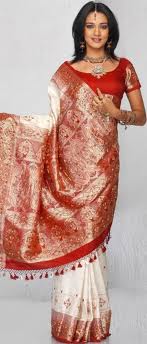
My future nephew already calls me “Aunt Barbara” and my sister “Mom”.  He shared how he intended to teach their future children about their culture and my niece commented that he knew even more than she did about African-American history.  My niece is a beaming bright light in her own right, kind, generous, outgoing, and radiant with a mature and balanced sense of self.  She and her fiance are in the midst of planning for their September wedding which will have two ceremonies to honor both of their backgrounds.  They shared the Hindi wedding tradition of the couple “giving gifts” to the aunts and asked if I would like a saree or sari.   Of course I said, “Yes!”  I am so excited about the merging of our families and the merging of our cultures.

Unity in Diversity

Some things changed while others stay the same.  For example in marrying my niece he had to break from the Indian tradition of “arranged marriages,” but will keep the tradition of the grandparents playing a big role in the rearing of the children.  In fact his parents shared how they were willing to move wherever the couple settles to be there to take care of the grandchildren.  And, they are not doing it out of a sense of duty and tradition, but one of love, service, and family unity.  Now that’s a lesson in diversity that I hope catches on!

I’m Barbara Talley, the poet who speaks and inspires.  To find out more about me check out: What Does Barbara Do? or visit  my website.

A Candid Talk About Our Hair, Identity, and Respect

Years ago while doing a Diversity training, one of the participants remarked, “If you’d worn that yesterday, I wouldn’t have heard a word you said.” This comment was in response to a simple African hat I was wearing.  I know if I’d actually worn my hair naturally I would have had a greater challenge doing my Diversity work.  I love my hair because black hair is the most versatile hair in the world.  You can braid it, twist it, blow it out, straighten it, curl it, and even dread it.  But we haven’t always had the best products available if we want to keep it natural.   And so, we’ve been dreading how to handle our hair long before Chris Rock’s movie about “Good Hair.”

What does hair mean in this society?  What is considered “good hair” and beautiful, long or short, blond or dark, or straight or curly.  Culturally and historically, what messages have been subconsciously ingrained in us that drive our current views and choices?  Personally I feel badly knowing what I know now about the dangerous chemicals that were in the relaxers that I put onto my daughters’ heads when they were younger. I’ve since learned that the products marketed for young black girls was some of the worst on the market, even if they touted words like “organic.”  To my defense,  I did so under duress and pressure as my husband heard their painful cries as I tried to comb through their thick hair.  They’d be screaming at the top of their lungs, “You’re hurting me,” with tears streaming down their little faces.  It wasn’t a pretty site and it was a horrible experience for them.  Sure it looked good after I finished, but the pain wasn’t worth the gain.  I gave in and I have to admit, it made life easier.  I straightened their hair so that I would not cause them that much pain and to make life easier for me. I am so happy that there are now so many products out there to help us manage our hair. Now, they are used to long straight hair because that’s what they’ve grown up with and who wants to fight their hair every day?

  1. Do you wear your hair natural?
  2. Do you love your natural hair?  Why or Why Not?
  3. Are you treated differently or feel differently if you wear your hair natural?
  4. Who do you get the most positive feedback from?
  5. What about the worse feedback, who does it come from?
  6. How do you feel about natural hair?
  7. What about dreads, how do you feel about them on yourself or others?
  8. What about black people dye their hair blond?
  9. What about other cultures getting dreads?
  10. Tell me what you think about hair?

This concludes our series on hair.  I think it’s great that our hair is so versatile that we can choose a style that fits our desired image.  I can twist mine one day, wear an Afro the next, and have it straight on the third day if I want.  The important thing is to choose what makes you feel the best and not to please others or to “fit in” as many in my generation tried to do.

I’m Barbara Talley, the poet who speaks and inspires.  To find out more about me check out: What Does Barbara Do? or visit  my website.

Love Your Natural + Resources for “Going Natural”

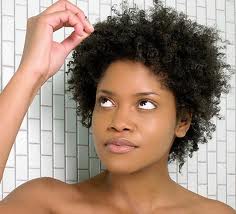
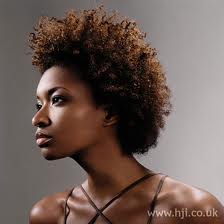
This post is primarily aimed at those who’ve gone natural or dreaded their hair.  What kinds of responses did (or do) to get from others?  Have you noticed a difference?  I’ve heard the comments.  My nephew was discouraged or at most “tolerated” for wanting to dread his hair.  Fortunately he had a mother who wore dreads and she supported his desire to wear his hear however he wanted it.  But, what’s up with those that discouraged him? Most said that it was because they wanted to protect him from the racism he would experience.  I don’t doubt that that is a valid premise, but how much do we need to give up to be accepted?  And if we are only accepted by changing ourselves, are we really being accepted?   Most cultures can get up, get in the shower, wash and shake their hair, and go.

Who Needs to Accept, Us or Them?

I know that twenty and thirty years ago I straightened my hair to fit in.  That’s what the women around me did and so did I.  A funny thing happened though a couple of years ago, I cut my hair for a photo shoot and decided to not relax it anymore.  After the relaxed hair grew out and was cut off, I found my own natural texture and I “loved it.”  Now I can blow dry it straight when I want a different look and wear natural when I want to. To think I was putting those toxic chemicals on my scalp for years and didn’t even need to.  And, as I got older, I was adding dye too when I could have used a natural henna.  I had done it so long that I didn’t realize the world had changed but I hadn’t, for people that were not of African American heritage actually liked my hair and commented more positively than “my own peeps.”

Resources for Going Natural

I also remember feeling very weird and out of place at an African American event at Howard University when most people were natural and at the time my hair was relaxed.  One of the presenters actually made a comment about us people with “fried hair.”  Fortunately, now we have more support if we wish to go natural, from sites like Naturally Curly, Carol’s Daughter, Curly Nikki , and Uncle Funky’s Daughter. I know in the past I relaxed my hair and my daughters’ hair because it was easier to maintain.  We probably were also subconsciously programmed to think that we “looked better too”.  Now we’ve got resources to help with the transition if we choose that route.  But, the goal is to love yourself and feel free enough to choose your way of expressing yourself without judgement.  Well that’s our food for thought for today.

I’m Barbara Talley, the poet who speaks and inspires.  To find out more about me check out: What Does Barbara Do? or visit  my website.

Race and Hair: Militancy, Image, and Politics

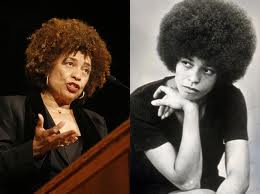
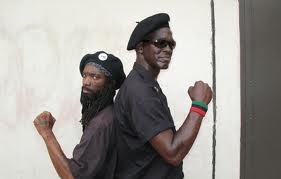
I remember during the presidential elections, when opponents were trying to disparage Michelle Obama, they put up a picture of her with an Afro.  They also negatively portrayed she and President Obama’s fist bump in the same picture while clothing him in Muslim garb.  (Don’t even get me started about diversity and religion, that’s a whole other series.)   So, I could empathize with my niece in being cautious about going natural in today’s business world for I too was subjected to the playful jeers of being called “Florida Evans and Angela Davis.”  I was even shown the traditional “black power fist ” (reminiscent of the Black Power movement) when I wore my hair natural.  Surprisingly most of the comments were from my own family.  If my family felt this way, what could I expect from a world still engulfed in issues of race, identity, and challenges accepting diversity and difference?  So even  though I’ve stopped chemically relaxing my hair, I’m still blow drying it straighter than it was before I relaxed it.  What’s up with that?  I’m still processing.

What subconscious fears, messages, and memories are associated with the these figures that I was jokingly and condescendingly associated with?

BTW.  I see it as an honor to be associated with either of these two trailblazers and sheroes. According to an online biography, Esther Rolle (Florida Evans on Good Times)  “Compelled to fight racial stereotypes, insisted before accepting the series that a strong father figure be central in the show (actor John Amos).   She even left the show for a season protesting the negative role model perpetuated by Jimmie Walker’s jive-talking J.J. character.   Angela Davis was indeed controversial, but must be admired for fighting for what she believed in.  Today she is still fighting for justice by fighting against the prison industrial complex that has become today’s sanctioned form of human enslavement providing a steady supply of cheap prison labor for big business at the expense of rehabilitation.

 So let’s talk  candidly about hair, militancy, and image.  Do you think that some of our reactions to wearing our hair natural are subconscious fears from being associated with those who have been political targets , ostracized, and labeled as militant?   And to those baby boomers who are not African American, what images do natural hair conjure?

Please don’t just read and nod, share your opinions.

I’m Barbara Talley, the poet who speaks and inspires.  To find out more about me check out: What Does Barbara Do? or visit  my website.