Listen for Your Inner Wisdom

We each have an inner knowing that we must learn to trust and rely upon. On Sunday afternoon I got the inspiration to call my stepmother who is recuperating in a nursing home.  It was just a spark in the middle of the day, at a time that thought she’d be at the church service and I almost talked myself out of calling right then.  But the impulse was strong and I listened.  I called her and she didn’t sound good at all.

She said, “Make the nurses stop drugging me.  They are giving me too much medicine. They have me in the hall.”  I asked her did she want to be there and she said, “No.”  I told her my sister and I would work on it.  Then there was silence.  The last few conversations we’d had she’d fallen asleep in the middle of the conversation or just asked me to call back because she was tired or sleeping, no matter what time of day it was.  When I questioned the nurse I found out she was not in the hall at all, but something was wrong.  She was obviously disoriented.  I reminded them of her bad heart.  They ended up sending her to the hospital for evaluation and deduced that she had had a heart attack.  In addition as a dialysis patient she also had elevated calcium and potassium levels.  And if that were not enough, she had a bladder infection.  So many things were wrong and yet had I not called, they perhaps would have been calling me with that final dreaded call.

I am so grateful that I listened.  I had a few deadlines at the time and it was not the best time to stop and spend the afternoon on the phone with nurses, caretakers, doctors, and family.  But I’ve learned that when we care, we are guided.  When we listen, the eternal source of wisdom speaks to us.  When we are “interrupted from our mundane reality,” it’s because something MORE important needs our attention right then.  It’s so great to not have to live with, “I wish I would have….”  Today’s lesson is to listen, appreciate the intuition, trust it  and act on it.  Now she’s recuperating in the hospital and on the road to health, we hope!

I’m Barbara Talley, the poet who speaks and inspires.  To find out more about me check out: What Does Barbara Do? or visit  my website.
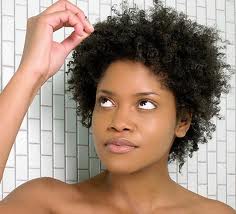
A Candid Talk About Our Hair, Identity, and Respect

Years ago while doing a Diversity training, one of the participants remarked, “If you’d worn that yesterday, I wouldn’t have heard a word you said.” This comment was in response to a simple African hat I was wearing.  I know if I’d actually worn my hair naturally I would have had a greater challenge doing my Diversity work.  I love my hair because black hair is the most versatile hair in the world.  You can braid it, twist it, blow it out, straighten it, curl it, and even dread it.  But we haven’t always had the best products available if we want to keep it natural.   And so, we’ve been dreading how to handle our hair long before Chris Rock’s movie about “Good Hair.”

What does hair mean in this society?  What is considered “good hair” and beautiful, long or short, blond or dark, or straight or curly.  Culturally and historically, what messages have been subconsciously ingrained in us that drive our current views and choices?  Personally I feel badly knowing what I know now about the dangerous chemicals that were in the relaxers that I put onto my daughters’ heads when they were younger. I’ve since learned that the products marketed for young black girls was some of the worst on the market, even if they touted words like “organic.”  To my defense,  I did so under duress and pressure as my husband heard their painful cries as I tried to comb through their thick hair.  They’d be screaming at the top of their lungs, “You’re hurting me,” with tears streaming down their little faces.  It wasn’t a pretty site and it was a horrible experience for them.  Sure it looked good after I finished, but the pain wasn’t worth the gain.  I gave in and I have to admit, it made life easier.  I straightened their hair so that I would not cause them that much pain and to make life easier for me. I am so happy that there are now so many products out there to help us manage our hair. Now, they are used to long straight hair because that’s what they’ve grown up with and who wants to fight their hair every day?

  1. Do you wear your hair natural?
  2. Do you love your natural hair?  Why or Why Not?
  3. Are you treated differently or feel differently if you wear your hair natural?
  4. Who do you get the most positive feedback from?
  5. What about the worse feedback, who does it come from?
  6. How do you feel about natural hair?
  7. What about dreads, how do you feel about them on yourself or others?
  8. What about black people dye their hair blond?
  9. What about other cultures getting dreads?
  10. Tell me what you think about hair?

This concludes our series on hair.  I think it’s great that our hair is so versatile that we can choose a style that fits our desired image.  I can twist mine one day, wear an Afro the next, and have it straight on the third day if I want.  The important thing is to choose what makes you feel the best and not to please others or to “fit in” as many in my generation tried to do.

I’m Barbara Talley, the poet who speaks and inspires.  To find out more about me check out: What Does Barbara Do? or visit  my website.
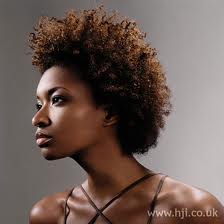
Race and Hair: Do You Wear Your Hair Natural?

Appreciating Our Natural Hair

I am so happy to soon be witnessing a beautiful example of unity in diversity as demonstrated in my niece’s upcoming nuptials.   I was heartened by the unique respect for diversity that she and her fiance both live and breathe.  He is Indian and Hindu; she is Christian and African-American.  Yes, this is the same couple that is donating their wedding gifts to charity.  So it’s not their diversity alone that make them special, but their character.  I sat in awe at a recent dinner as my niece’s fiance expressed his knowledge of the plight of African American’s in history, his love for the natural texture of my niece’s hair, and his love and respect for both my niece and sister.

He was the one she explained that encouraged her to “go back natural.” She commented that while “going natural” that she had more challenges with people from within our own culture than from the outside.

What Does Hair Mean to You?

Last month I spoke to an audience in Florida at an event organized by 100 Concerned Black Women and the topic of hair came up.  My co-presenter Iris Cooper had cut off her hair and a lady in the audience who self reportedly had worn wigs most of her life challenged why she did it.  The next day the older lady came to a followup session dawning her own hair.  She recounted how freeing it was.  She somehow had felt she needed validation, permission, and acceptance to free herself.  She explained how all her life she was called ugly because of her short hair.  And, now there is another trend, cutting off our hair that we’ve taken so long to grow and  letting go of what “long hair” means.  How do you feel about cutting your hair off?   It appears that we’ve still got a lot of work to do before we get to the point that we realize that we don’t all have to look the same and can see our own naturalness as beautiful.  What does your hair mean to you? Does it represent beauty, culture, image, or identity.  Is it your crown or crowning glory?  Please comment and share “your hair story.”

I’m Barbara Talley, the poet who speaks and inspires.  To find out more about me check out: What Does Barbara Do? or visit  my website.

The Energy of an Oprah Possibility.

I was just reflecting on the amount of energy and hope I got from a simple call from a producer putting together a pilot for the Oprah Winfrey show.  In sharing this possibility and asking for prayers, this simple possibility spread energy and excitement to my family and friends as well.  That got me to thinking.  I have no idea of the outcome, and yet in the present moment I was excited and energized.  Since the opportunity has not yet been manifested physically, then it is not the outcome only that produces the energy, but the hope of a possibility does the same thing.

Energy Has Attraction Power

That being the case, then we should dream hopeful dreams and set exciting  goals all the time.  Like Jessie Jackson always said, “Keep hope alive.” What are you hoping for and what are you doing to “keep hope alive.”  It is that hope and faith that generate energy.  When there is no hope, there is no energy.  When there is no energy, we lose the power of attraction.  When we are feel hopeless we may be pushing away the very people who could help us and attracting the company of those who are also in misery.   Both hope and fear are contagious.  At any given moment, we are either spreading joyful energy or sucking energy out of everyone we connect with, so we must be very careful of our power.

We live our lives one moment at a time and if we have the power to influence the current moment and make it joyful, exciting, and hopeful, then we should do it habitually.  I also believe strongly that it is the energy of anticipation that helps to attract things to us.  Whether it is anticipating the realization of an exciting goal or the fearful anticipation of a calamity or negative outcome, our focus (energy) draws whatever we are thinking about to us.  I guess that’s why the Bible teaches us:  “As a man thinketh, so is he.”

Shocking Body-Image News: 97% of Women Will Be Cruel to Their Bodies Today: Health & Fitness: glamour.com

“Read these words: “You are a fat, worthless pig.” “You’re too thin. No man is ever going to want you.” “Ugly. Big. Gross.” Horrifying comments on some awful website? The rant of an abusive, controlling boyfriend? No; shockingly, these are the actual words young women are saying to themselves on any typical day. For some, such thoughts are fleeting, but for others, this dialogue plays on a constant, punishing loop, according to a new exclusive Glamour survey of more than 300 women of all sizes. Our research found that, on average, women have 13 negative body thoughts daily—nearly one for every waking hour. And a disturbing number of women confess to having 35, 50 or even 100 hateful thoughts about their own shapes each day.”

via Shocking Body-Image News: 97% of Women Will Be Cruel to Their Bodies Today: Health & Fitness: glamour.com.

How many negative self body thoughts do you have each day?  When you look into the mirror are you loving and accepting or disgusted or dissatisfied?  Please read this article.  How can we love others if we have so much hatred for ourselves?  How can we appreciate others when we don’t even value our own image?  We  can’t give what we don’t have.  Love yourself and perhaps loving others will come easier.